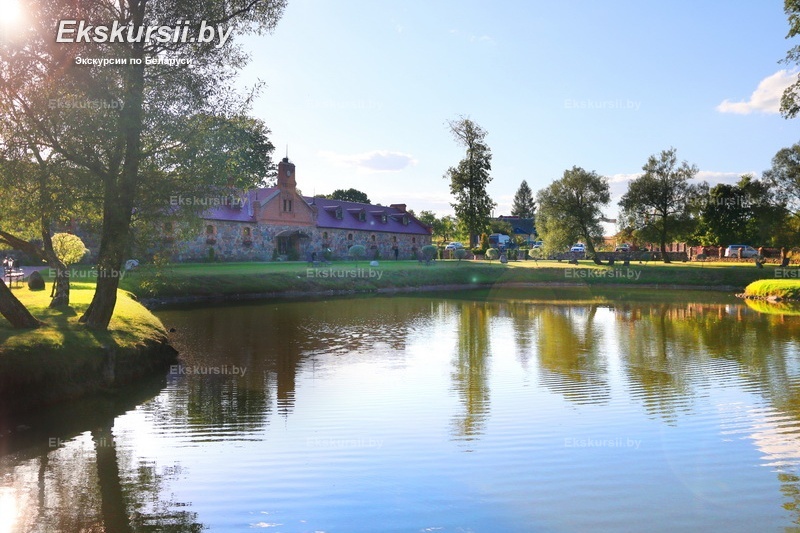
History of Creation
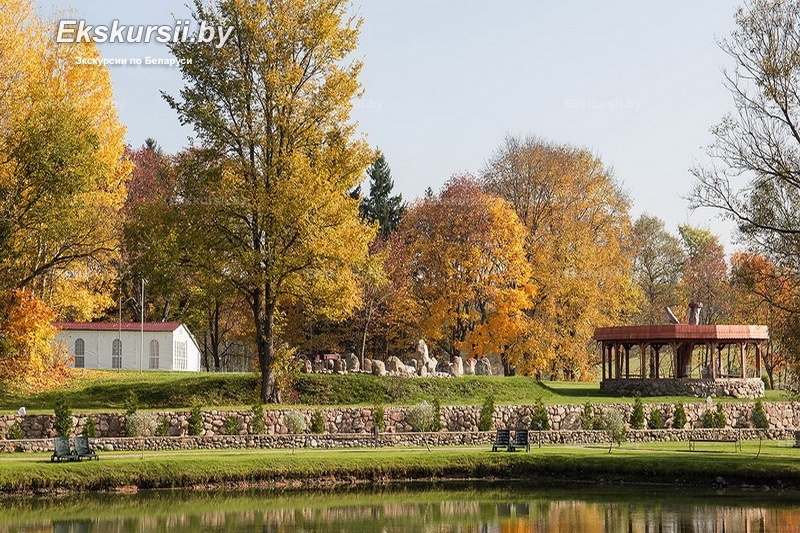
The "Sula" estate dates back to the times of the Grand Duchy of Lithuania when a noble manor was located here, surrounded by vast lands. Over the centuries, the estate changed owners multiple times, experiencing both prosperity and decline. In the 19th century, a chapel-rotunda was built on the complex’s territory, serving as a place of solitude and prayer. Unfortunately, time and historical upheavals damaged the structures, but restoration work has helped to revive part of its former grandeur. Today, "Sula" stands as a vivid example of the revival of Belarus' historical heritage.
Architecture of the Complex
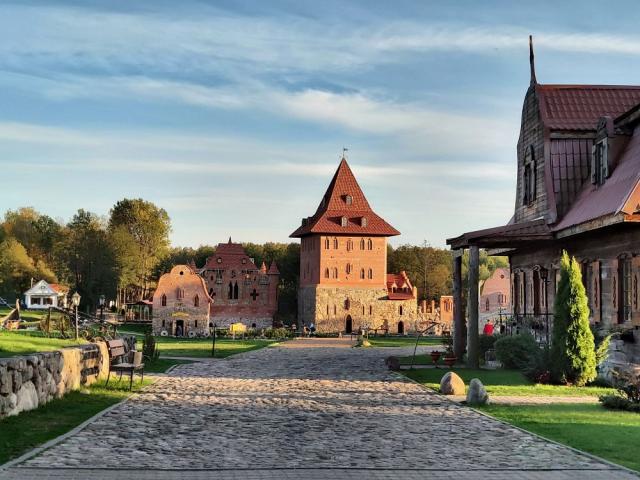
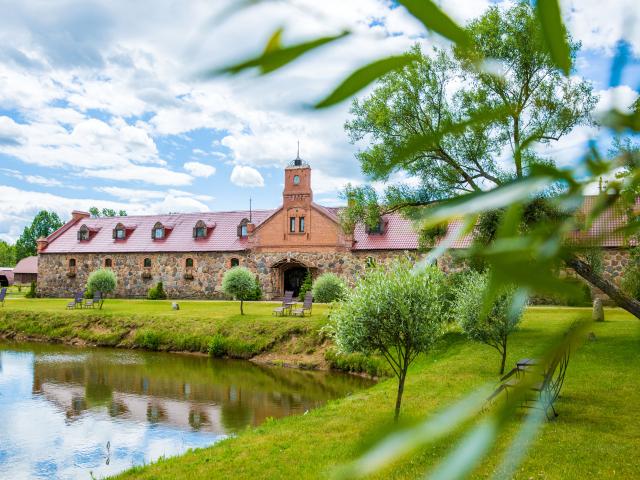
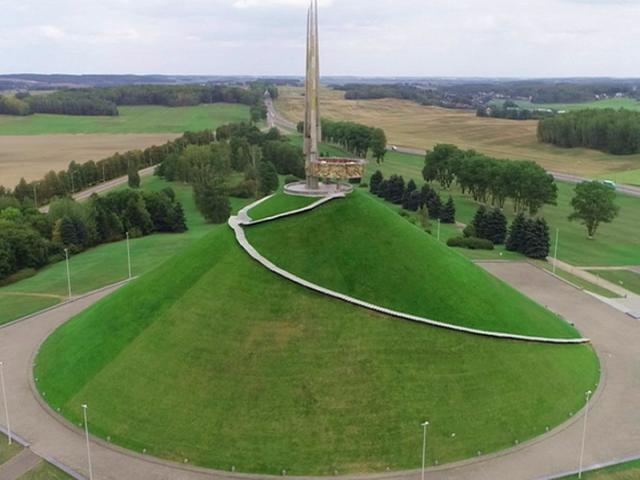
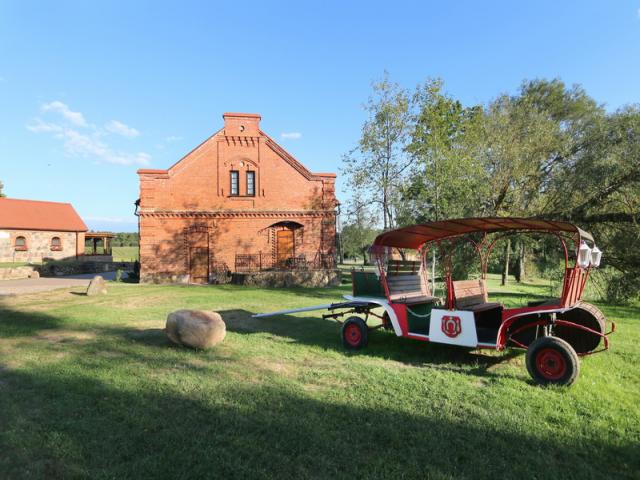
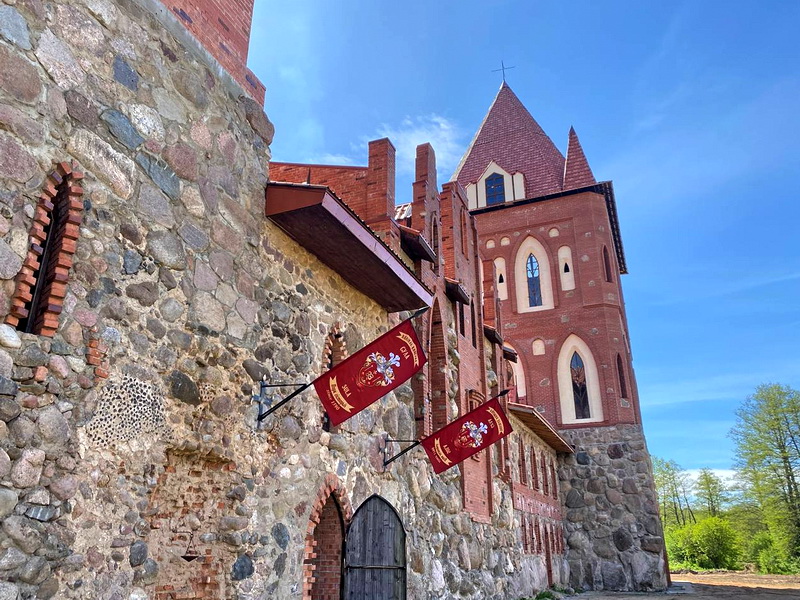
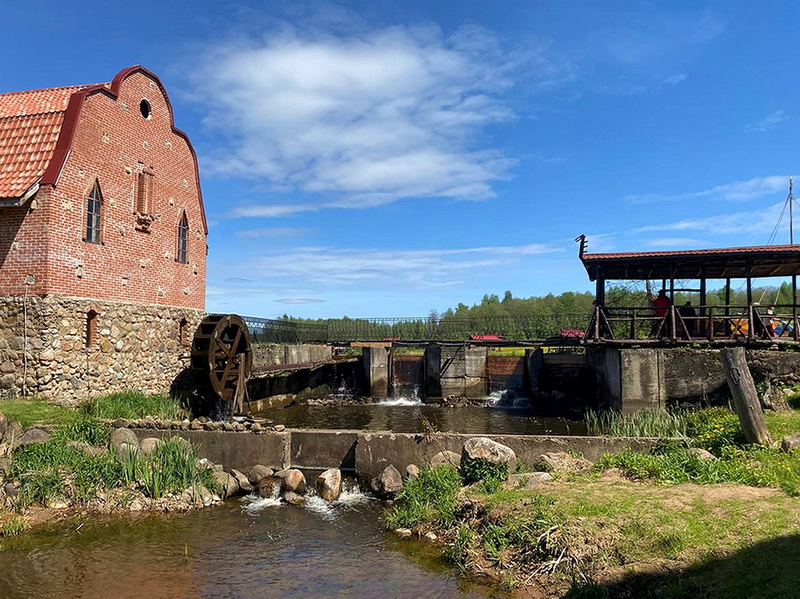
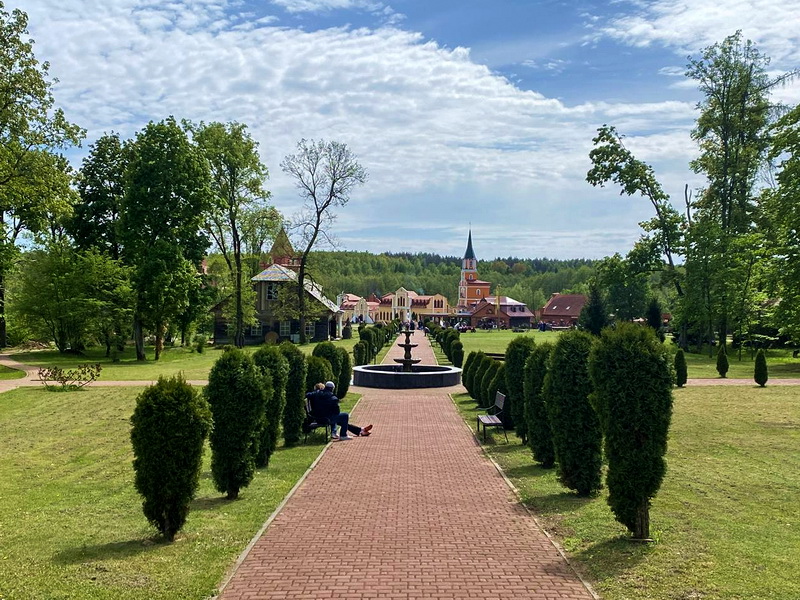
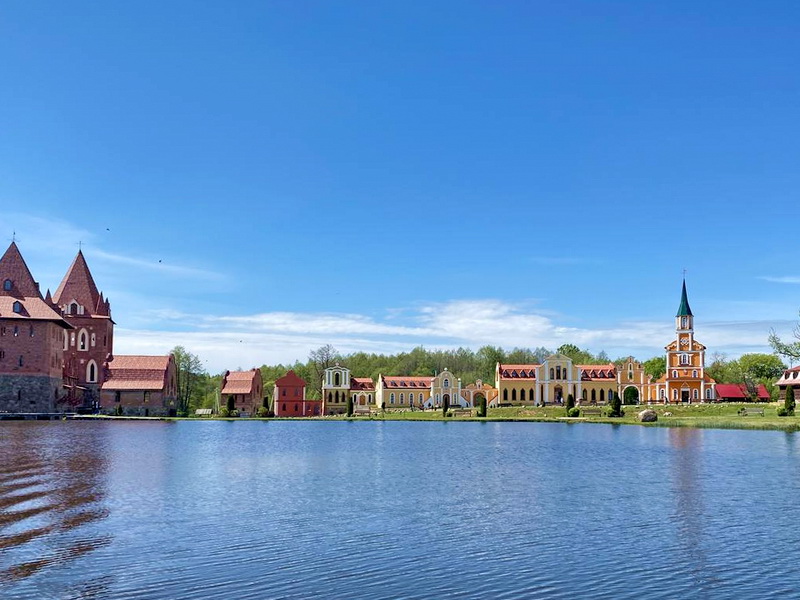
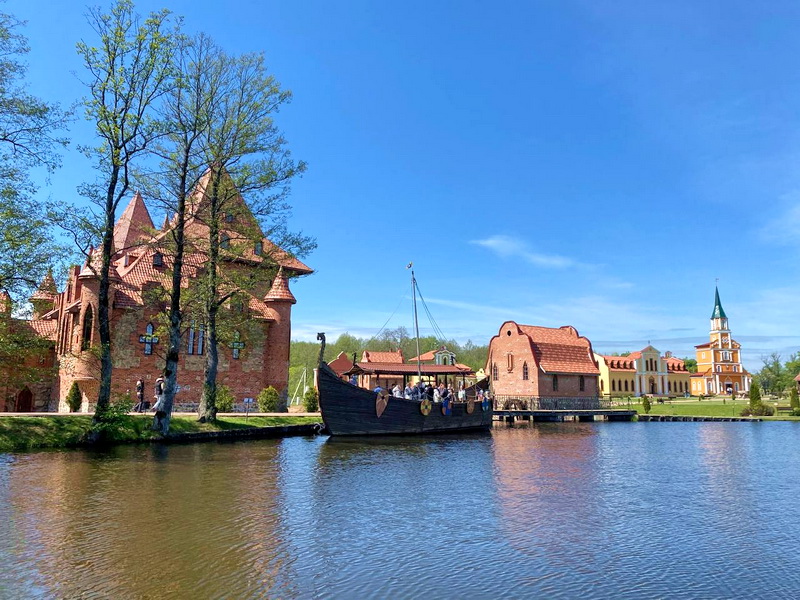
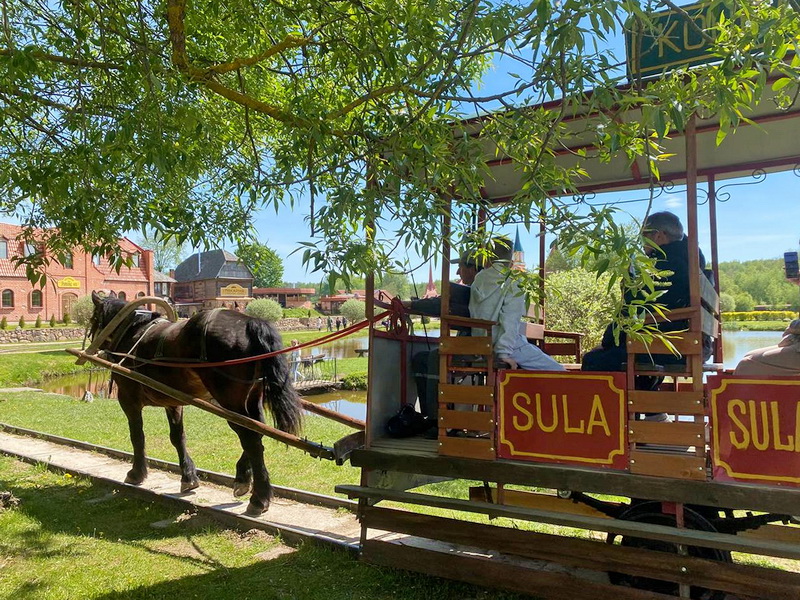
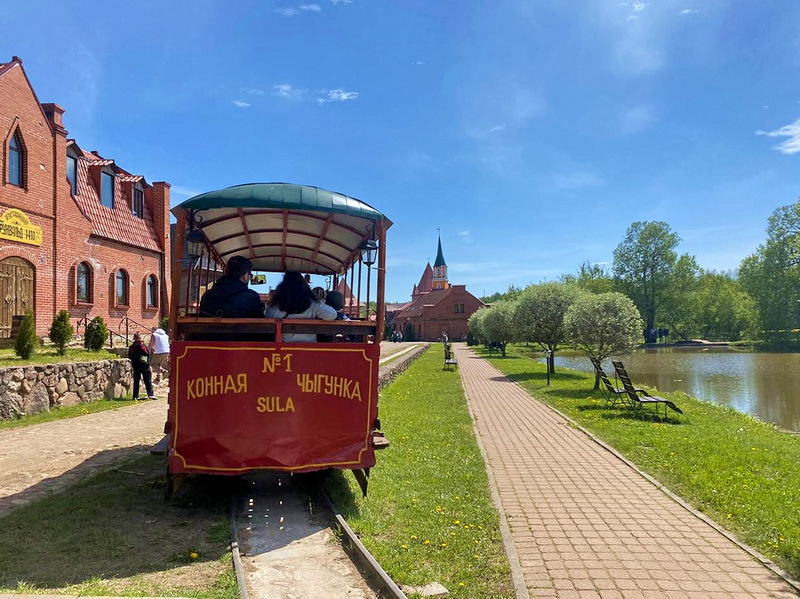
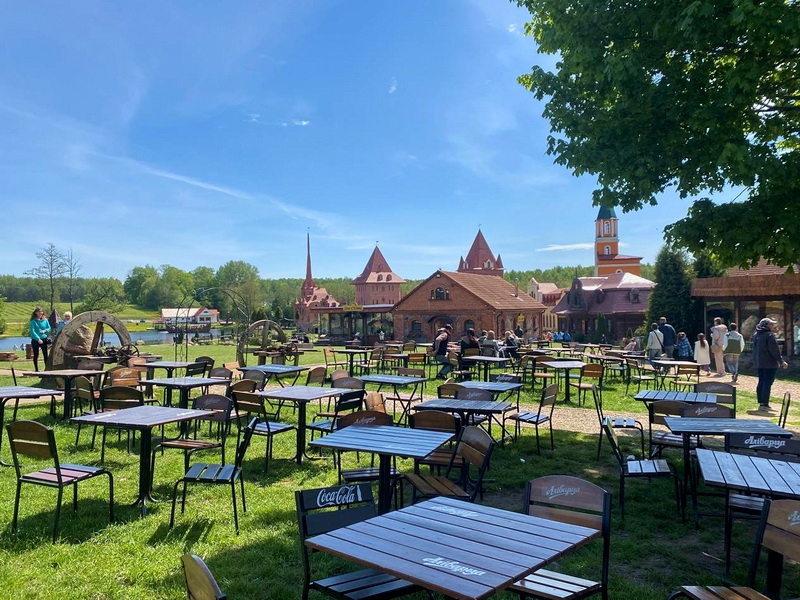
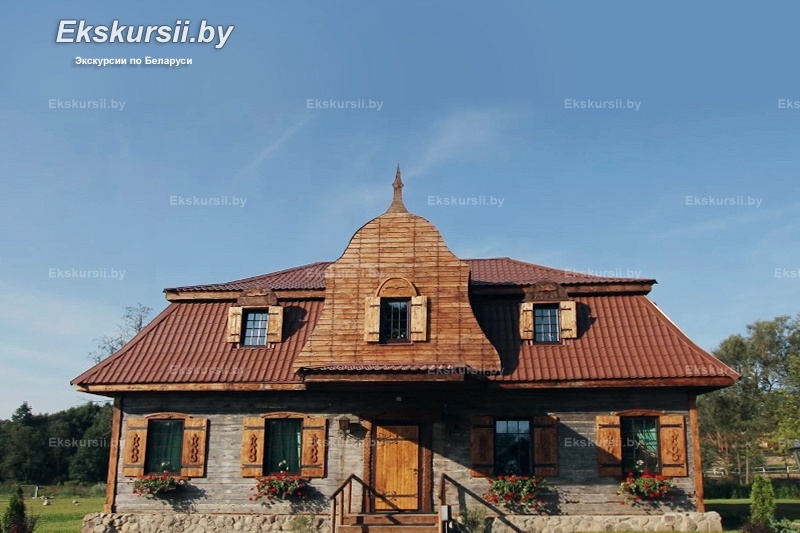
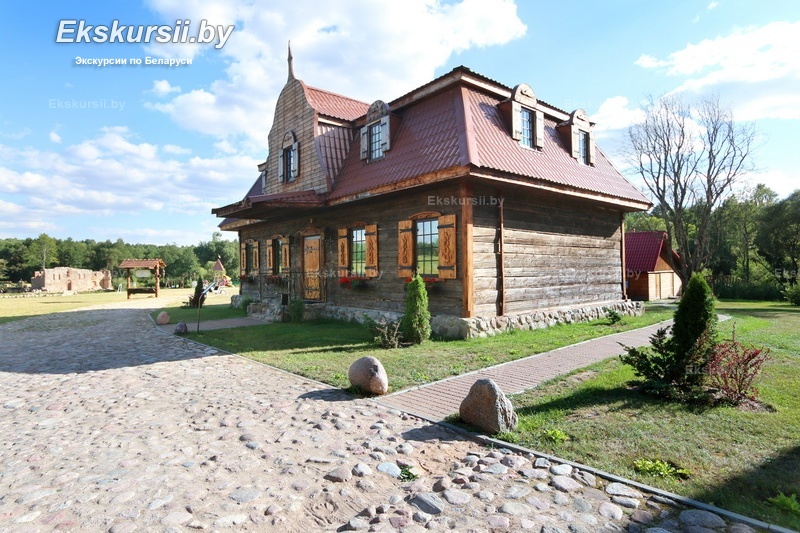
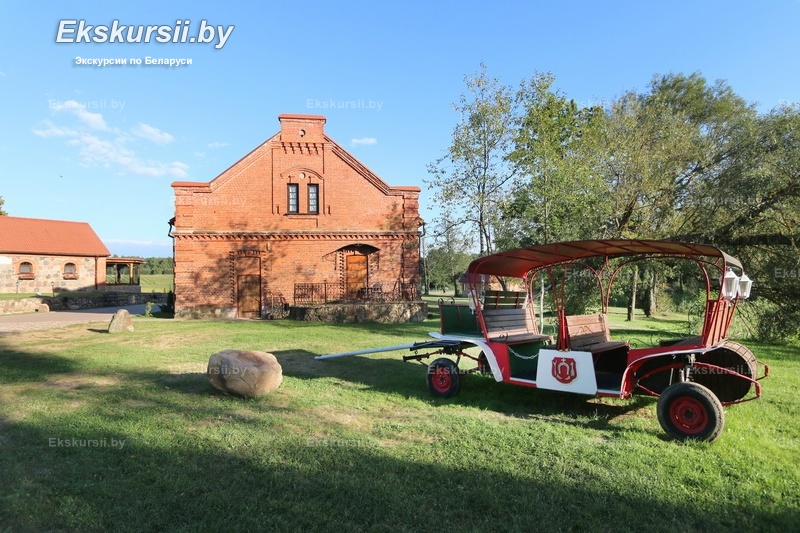
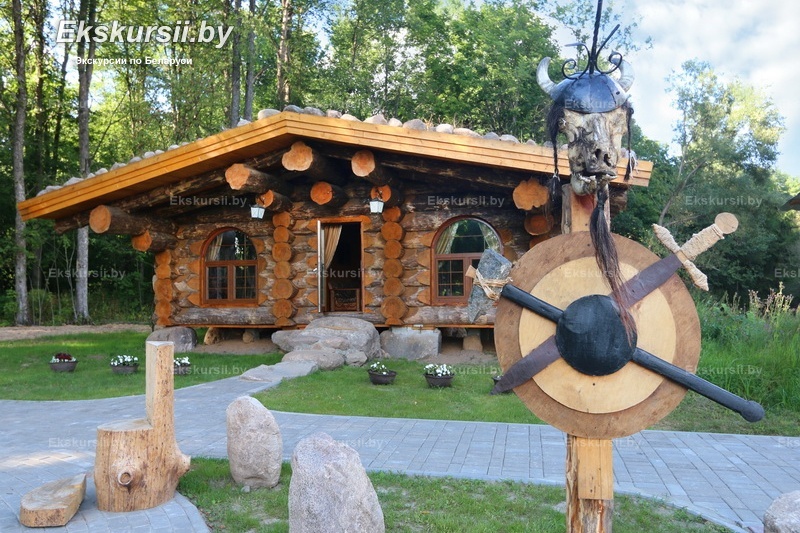
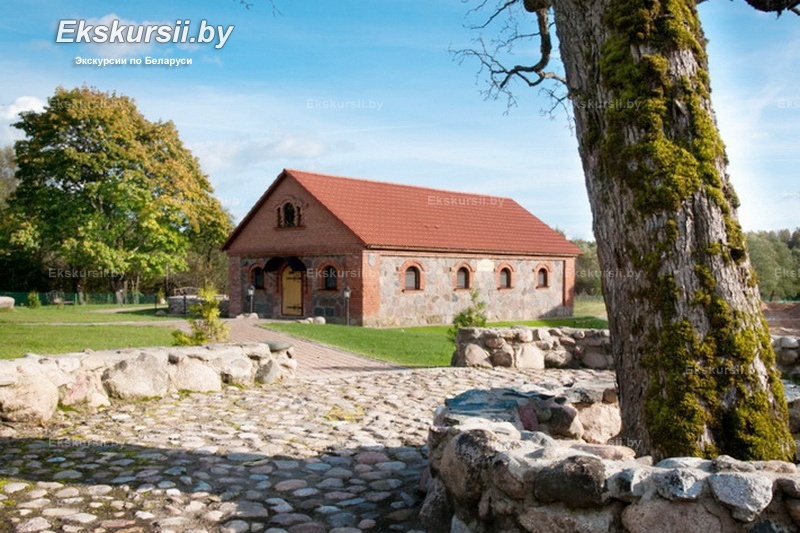
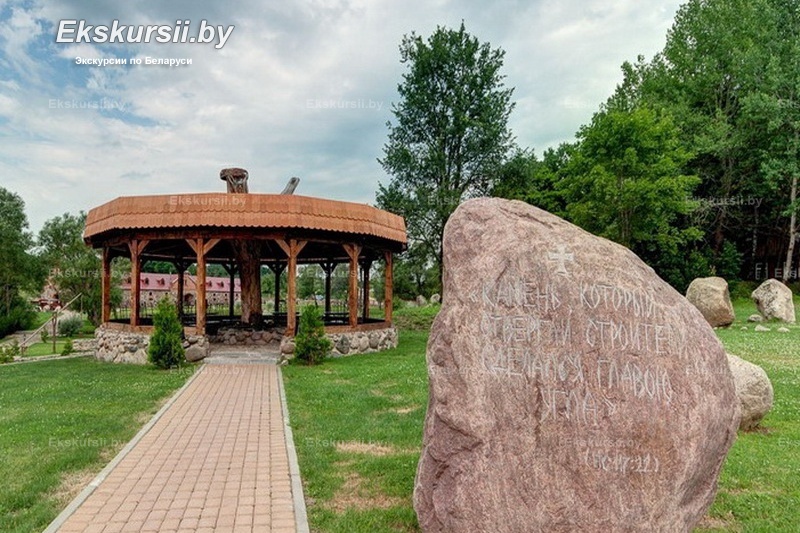
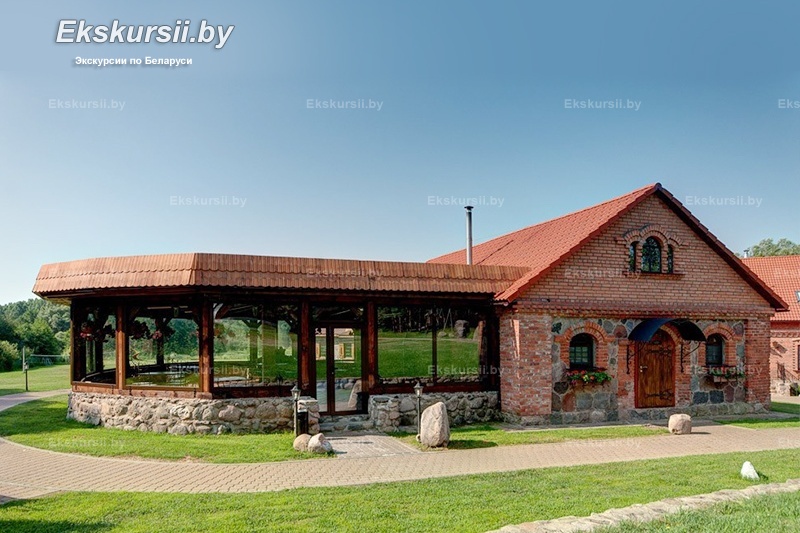
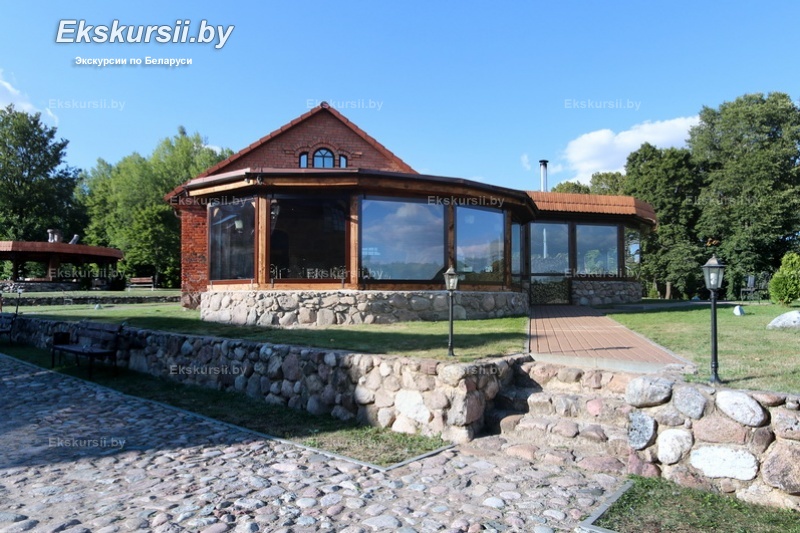
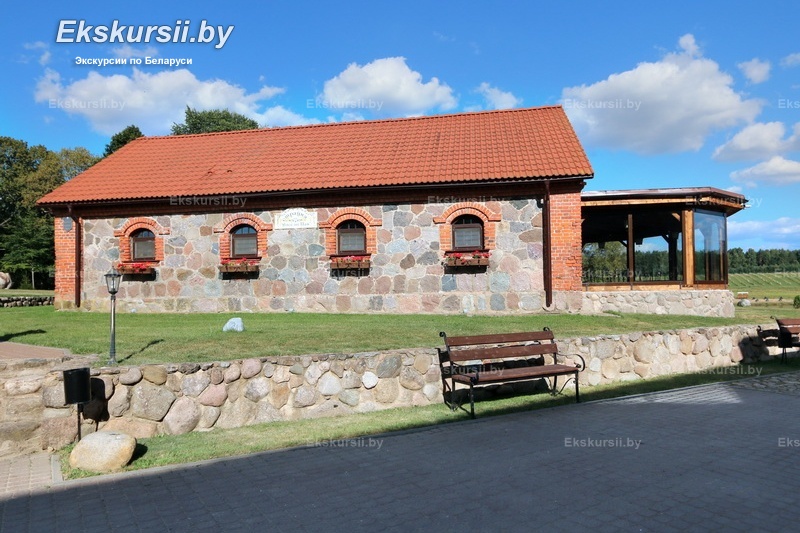
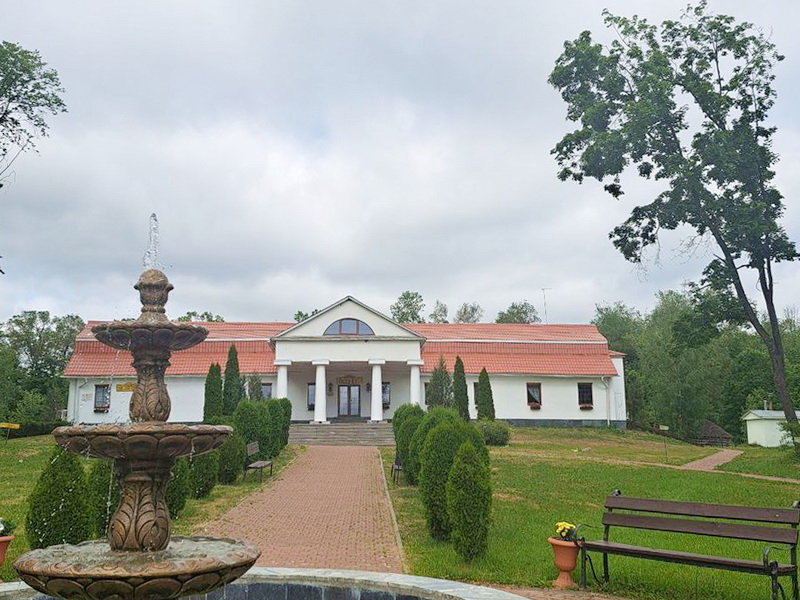
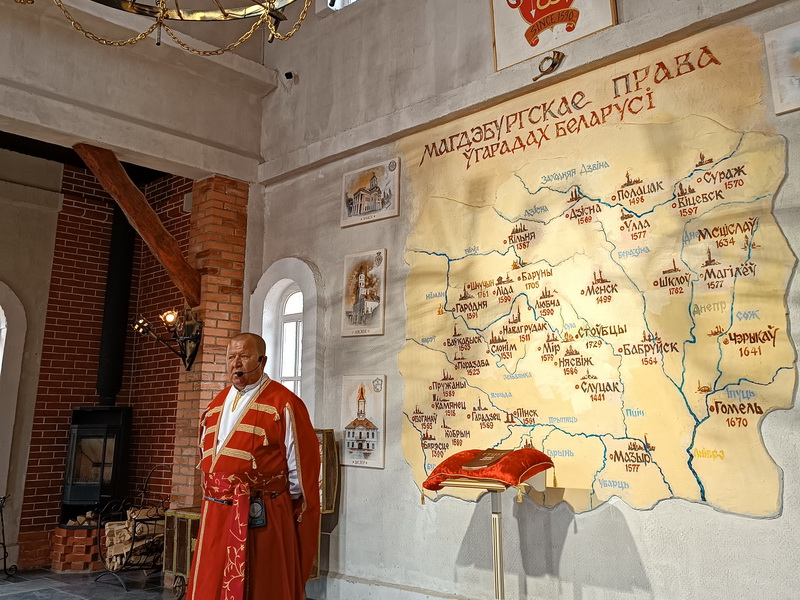
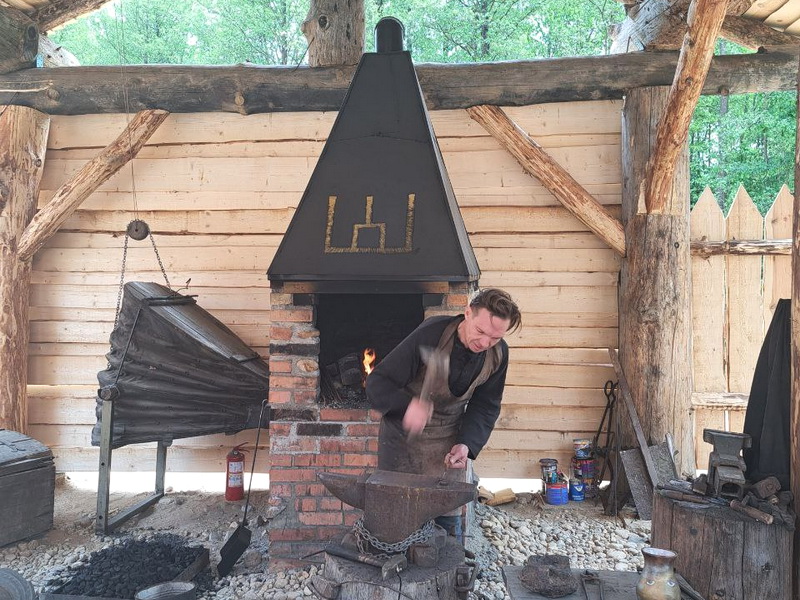
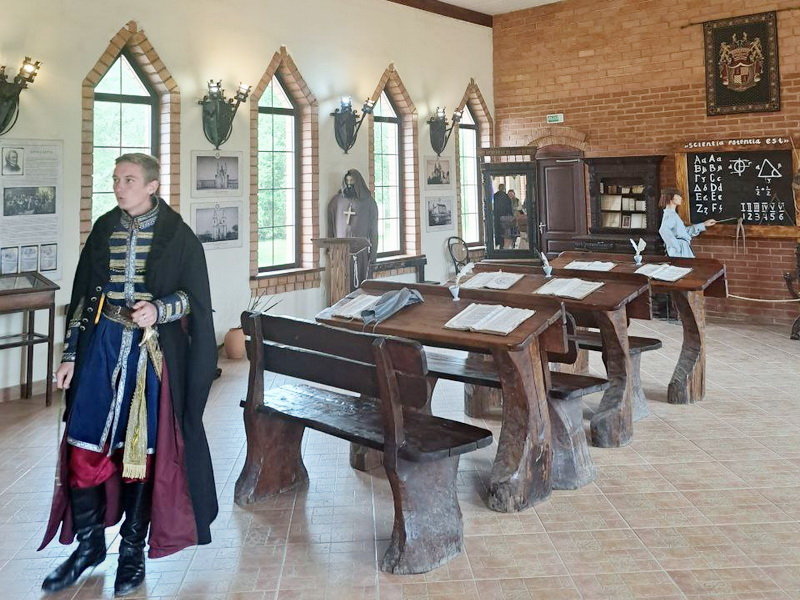
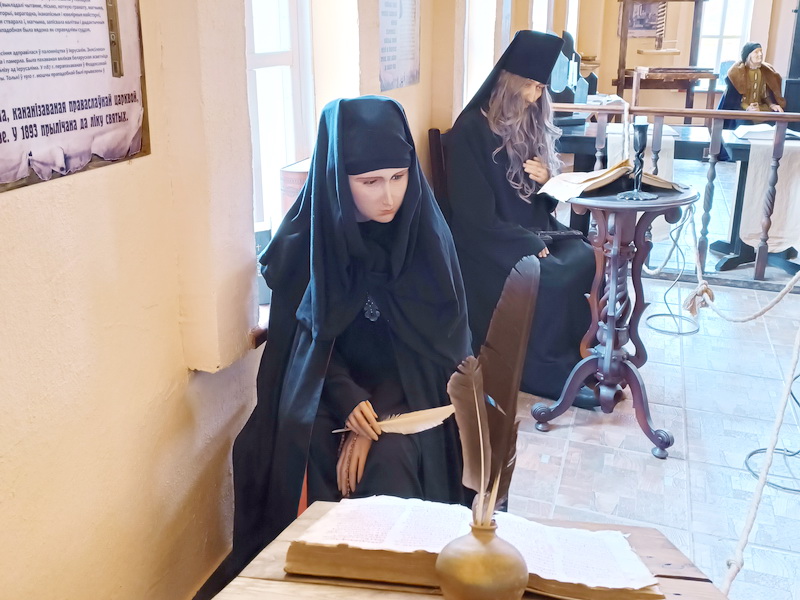
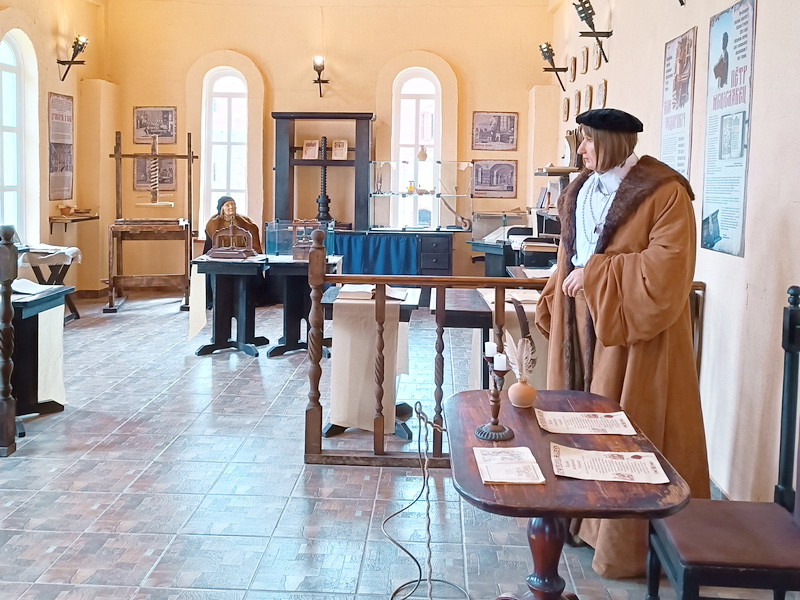
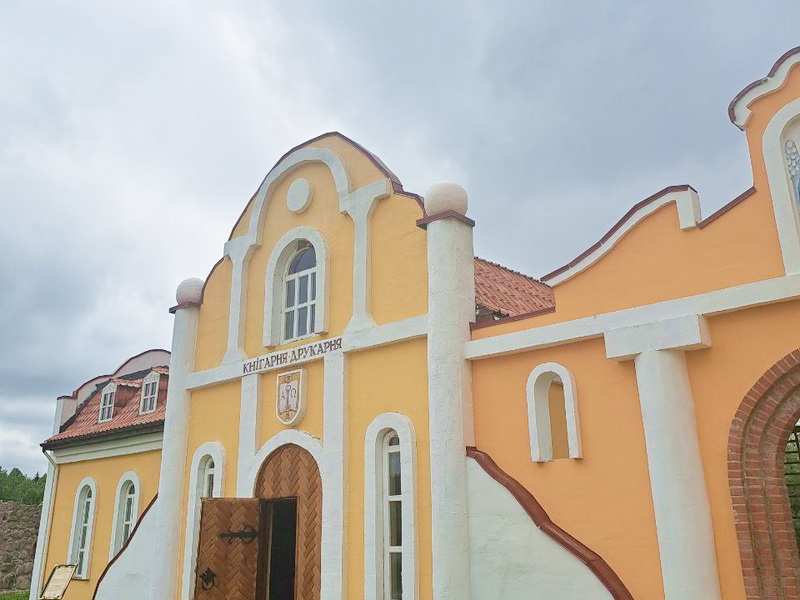
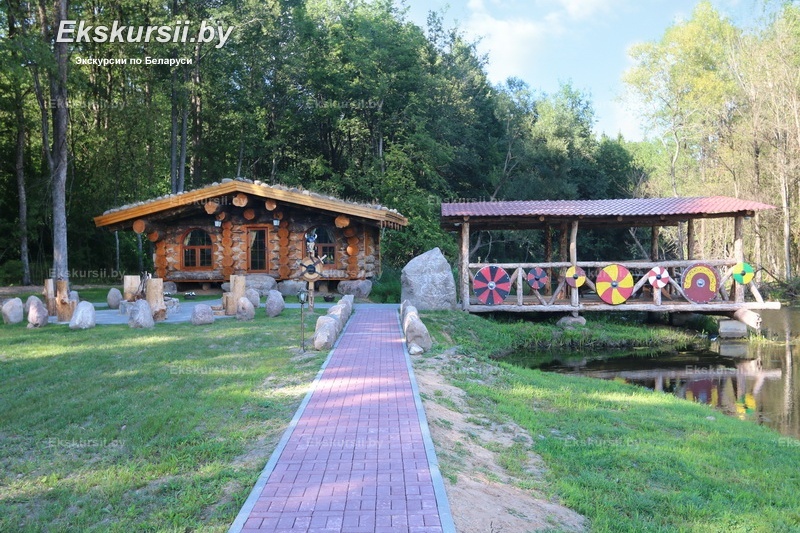
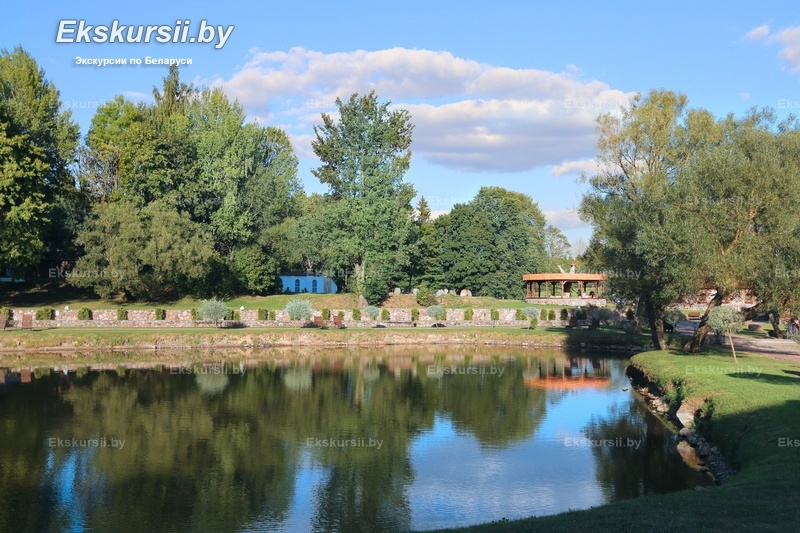
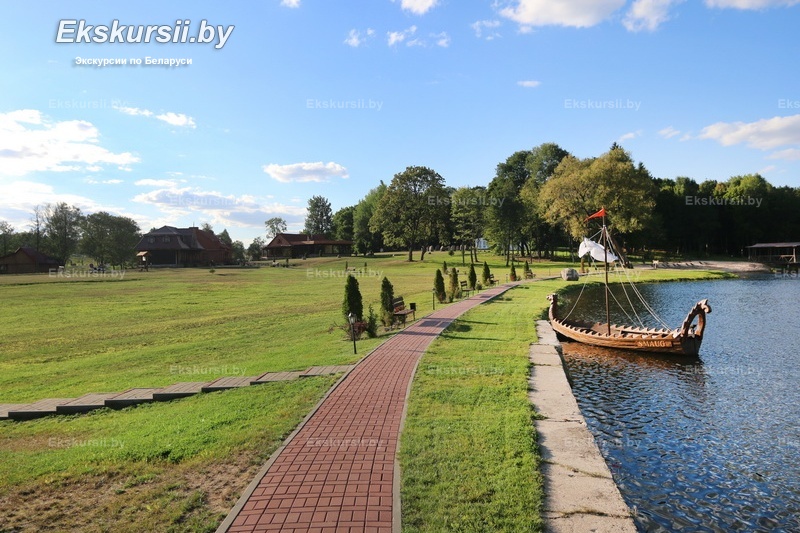
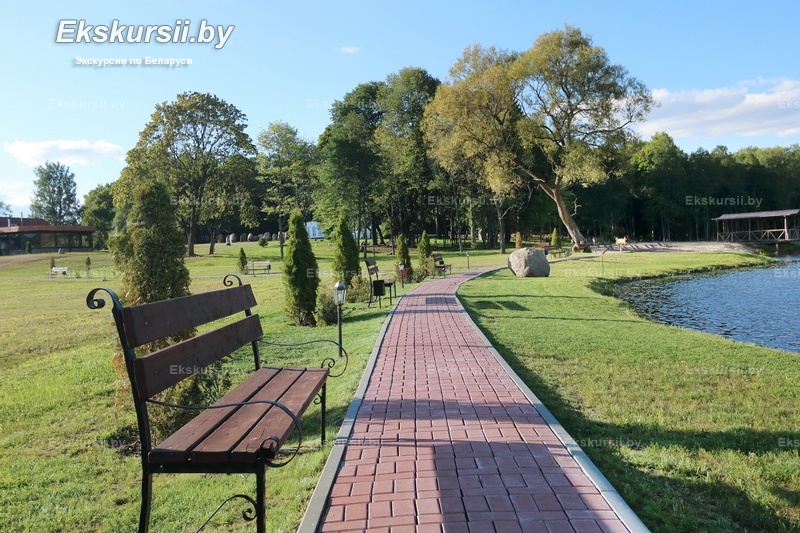
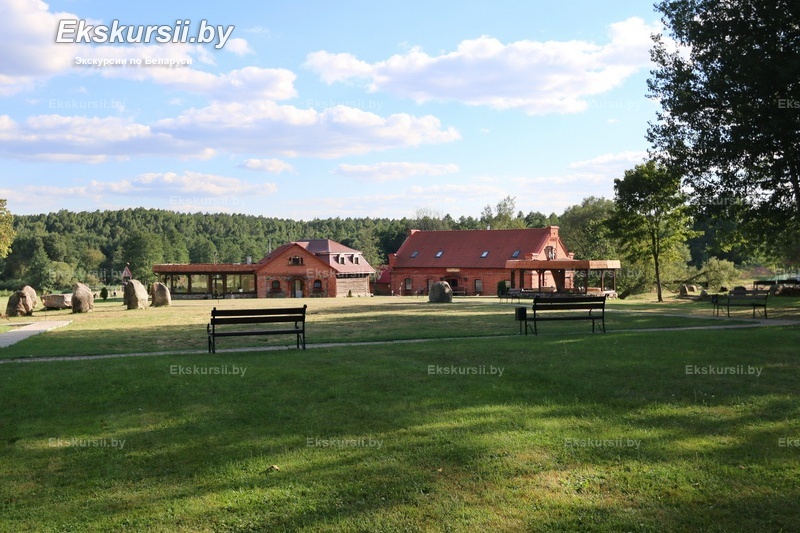
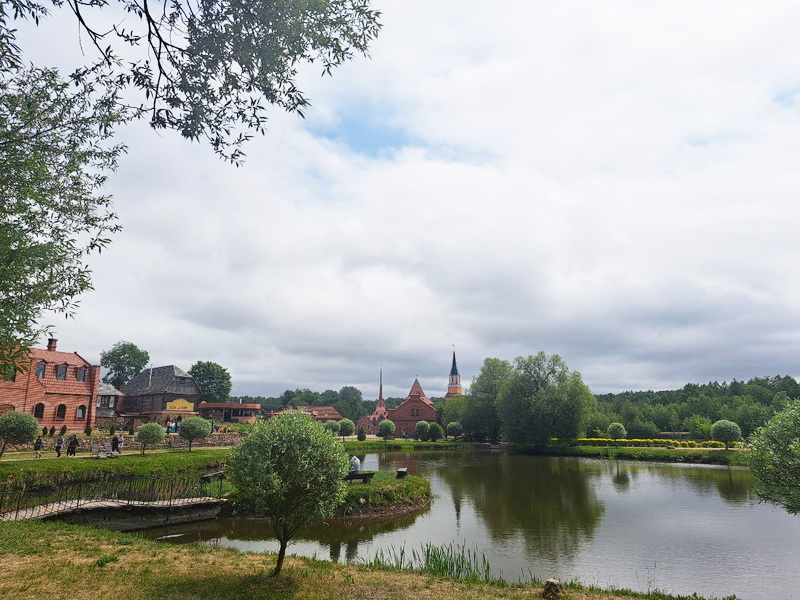
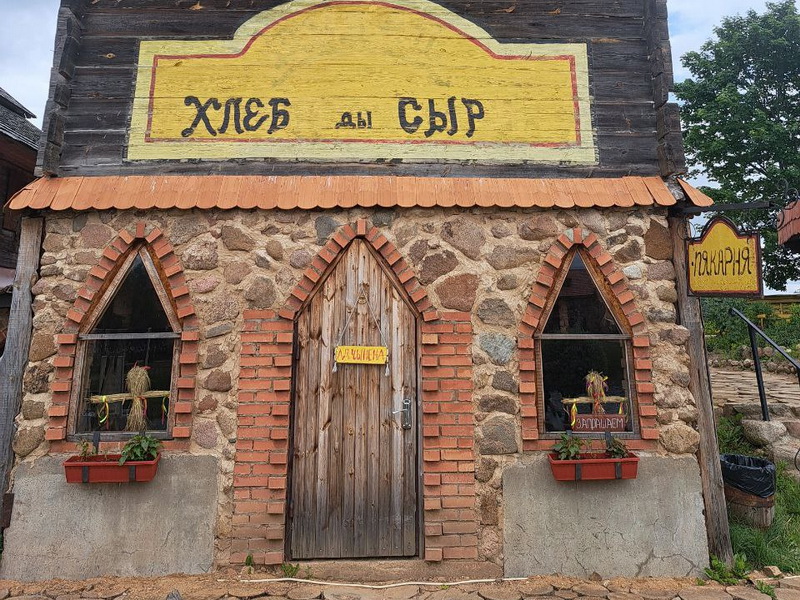
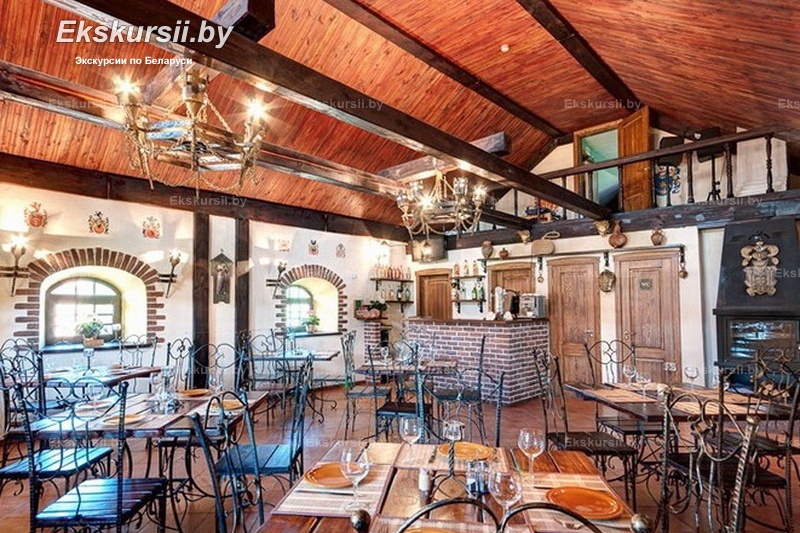
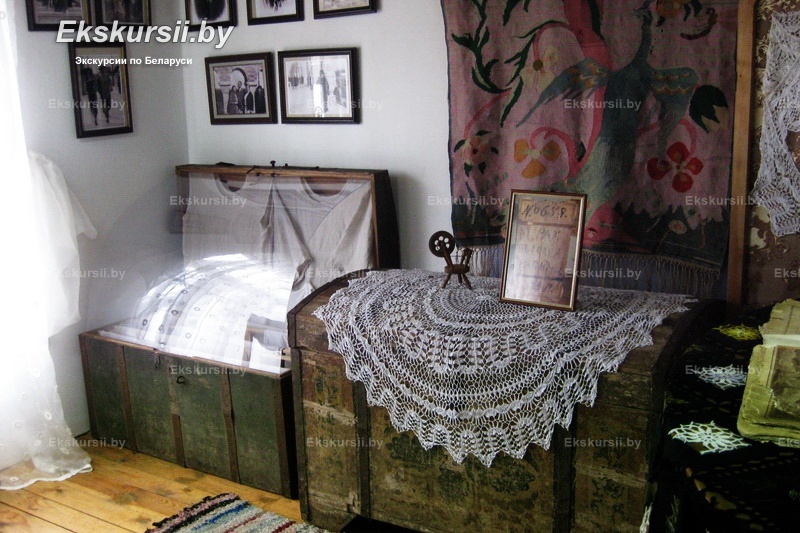
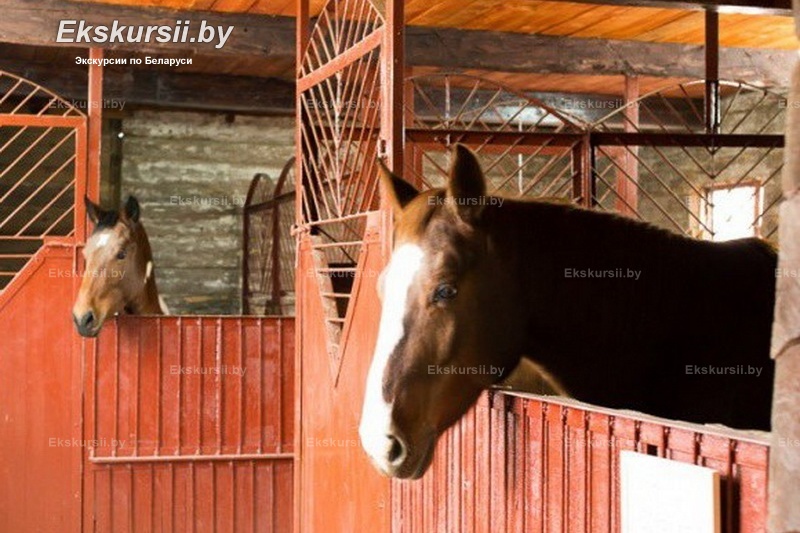
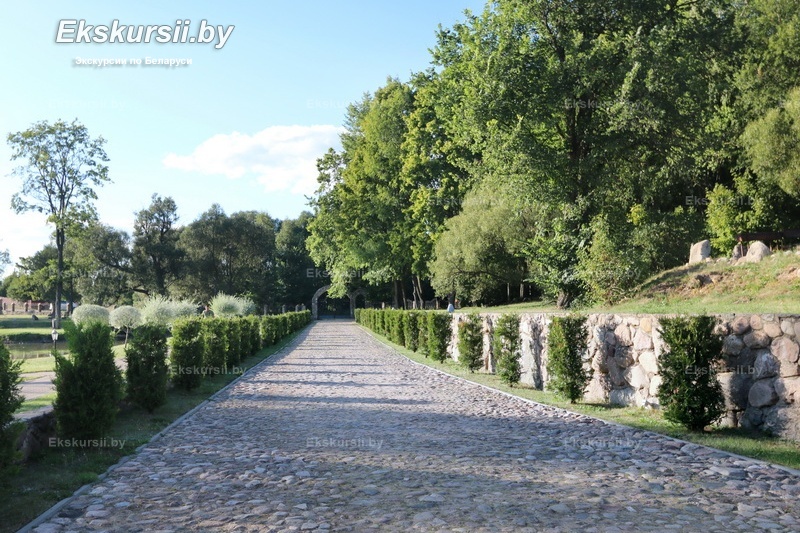
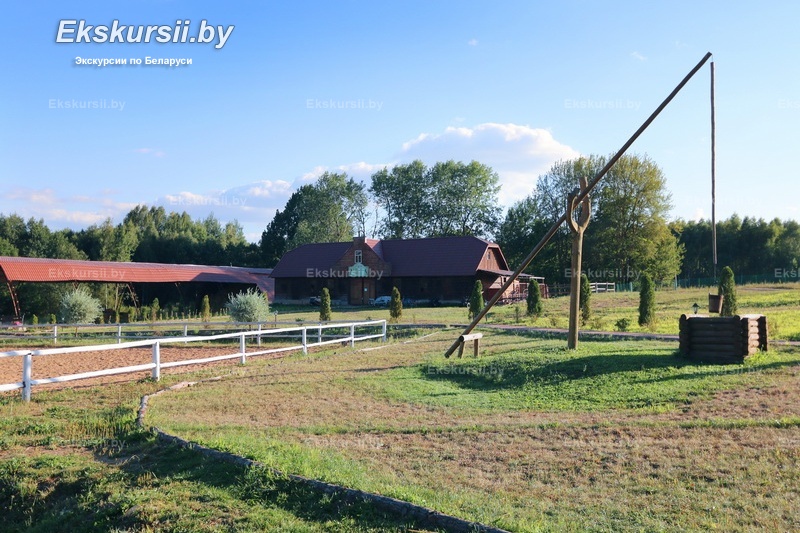
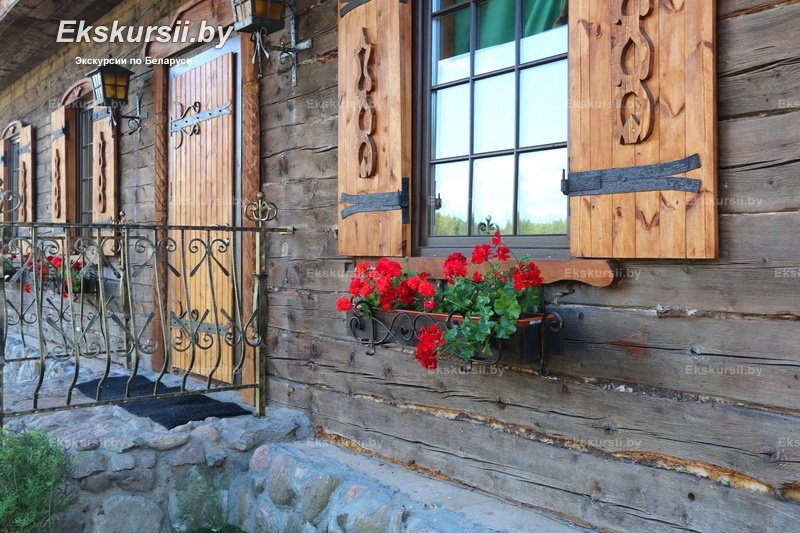
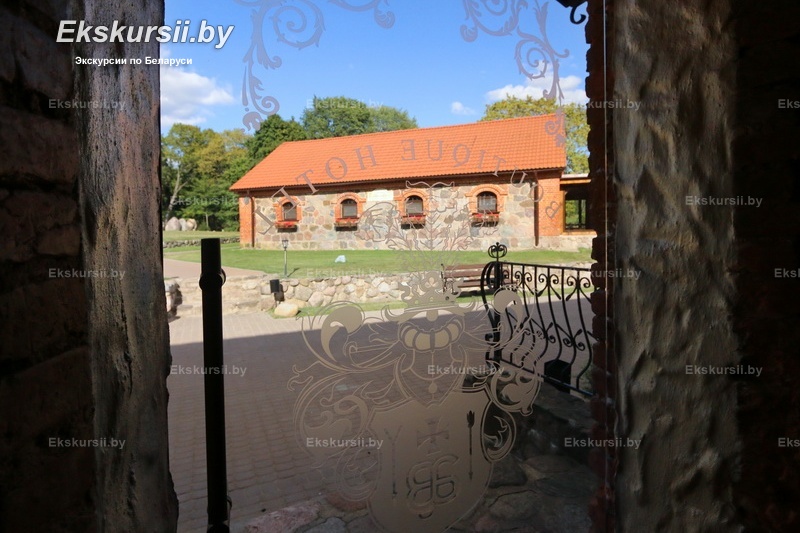
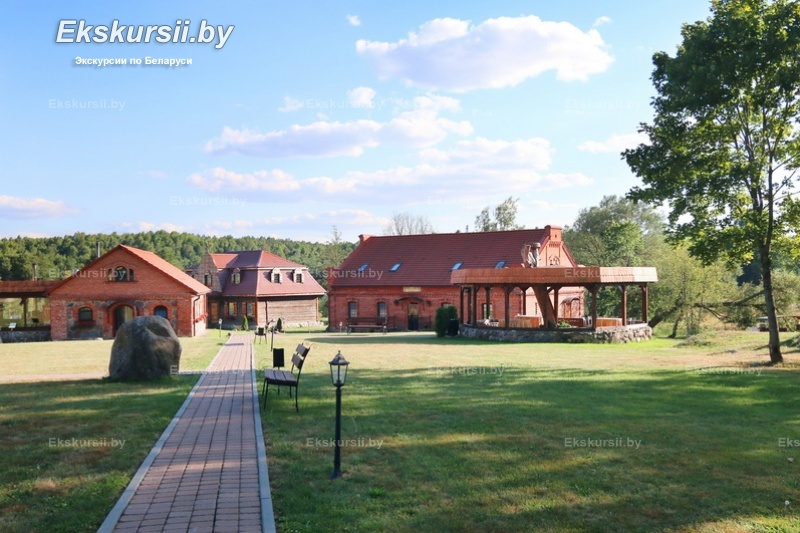
The architectural ensemble of "Sula" combines elements of medieval Europe and traditional Belarusian noble architecture. The central structure is the Royal Assembly, a magnificent stone building with a tower and an ancient clock. Inside, there is a knight’s hall adorned with luxurious tapestries, medieval chandeliers, and a grand fireplace. The chapel-rotunda, perched on an artificial hill, amazes with its former grandeur – the preserved columns remind visitors of the lost beauty of this sanctuary. The complex also includes a weaponry forge, a stable, an ethnic cuisine restaurant, and hotel apartments designed in the style of a noble estate.
Excursions with a Visit to the Complex
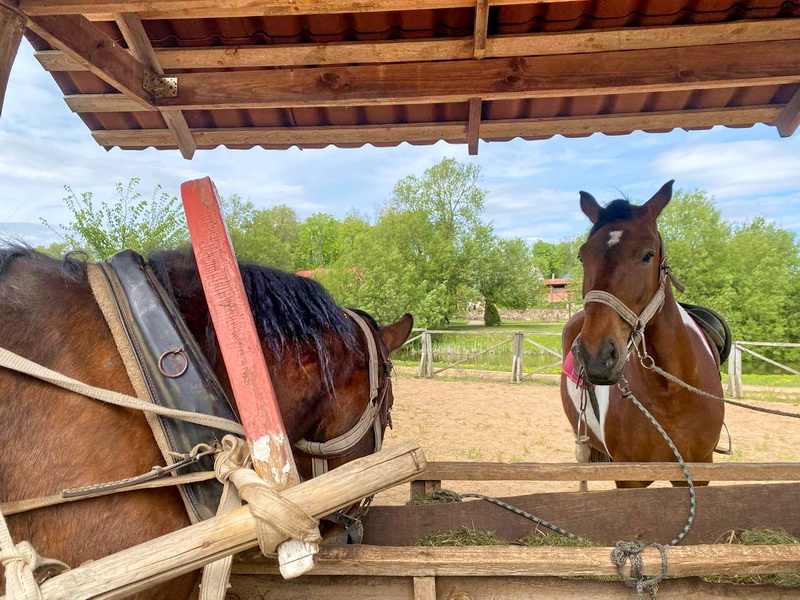
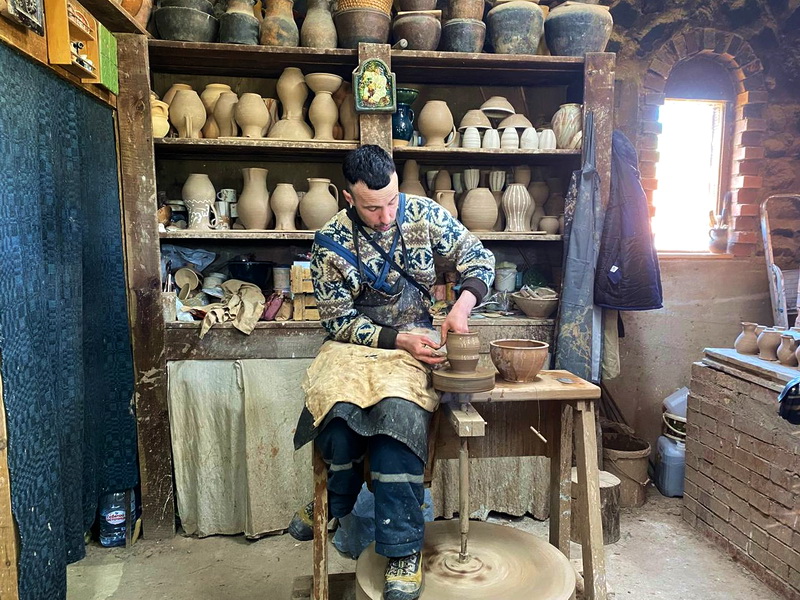
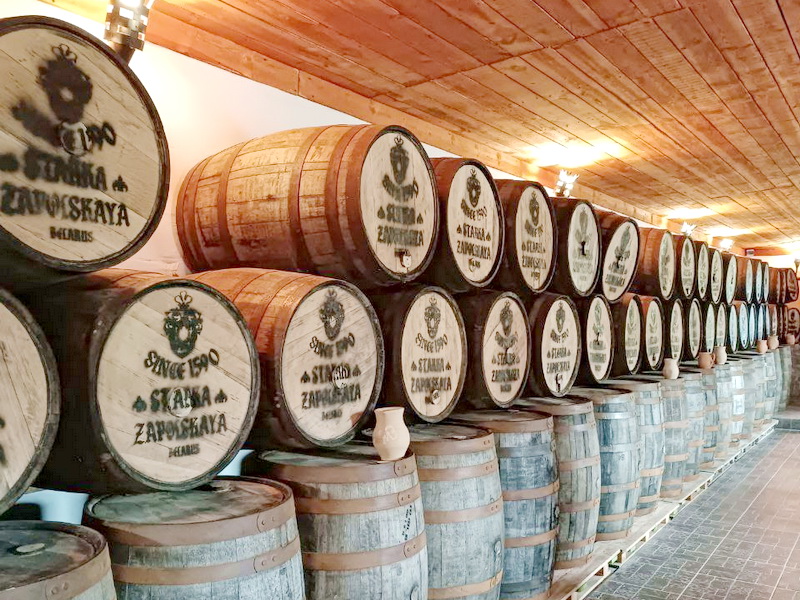
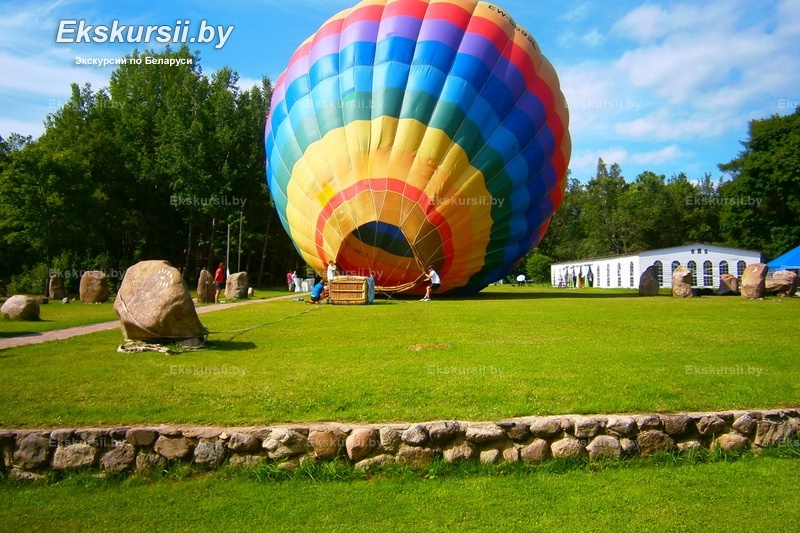
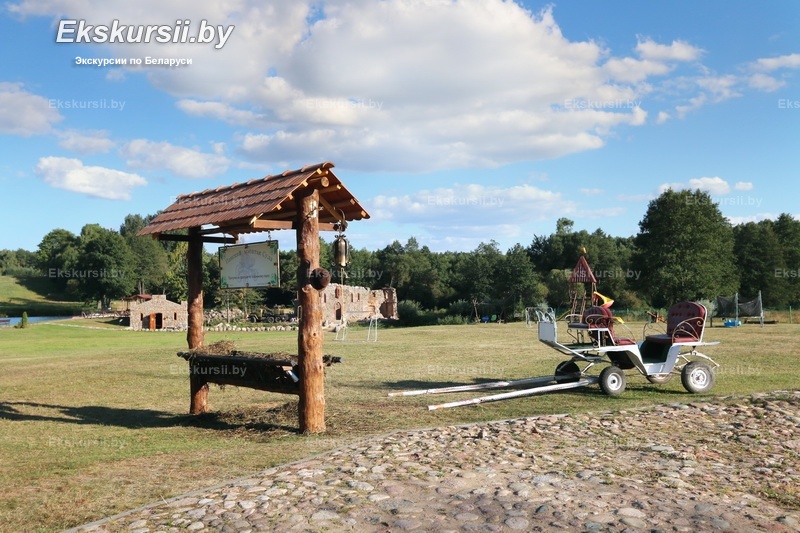
The "Sula" manor is a popular tourist destination for those who wish to learn more about the history and culture of Belarus. Excursions across Belarus are organized here, including visits to the complex. You can book an excursion from Minsk to immerse yourself in the atmosphere of past centuries, witness medieval life reconstructions, try your hand at blacksmithing, or ride horses. For lovers of active recreation, horseback riding, knightly shows, and gastronomic tastings of historical cuisine are available. A visit to "Sula" will become an exciting journey through time and an excellent opportunity to discover the history of the Grand Duchy of Lithuania.