Location of the Memorial in the Heart of Minsk
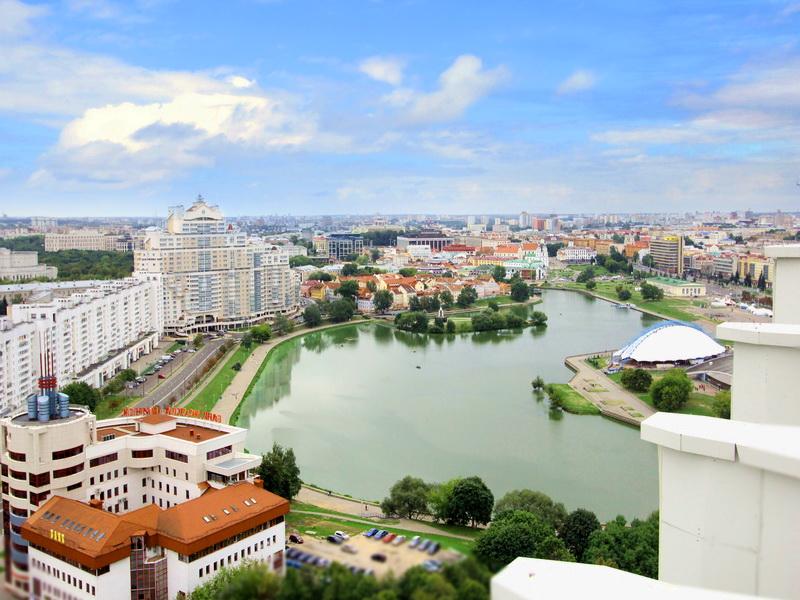
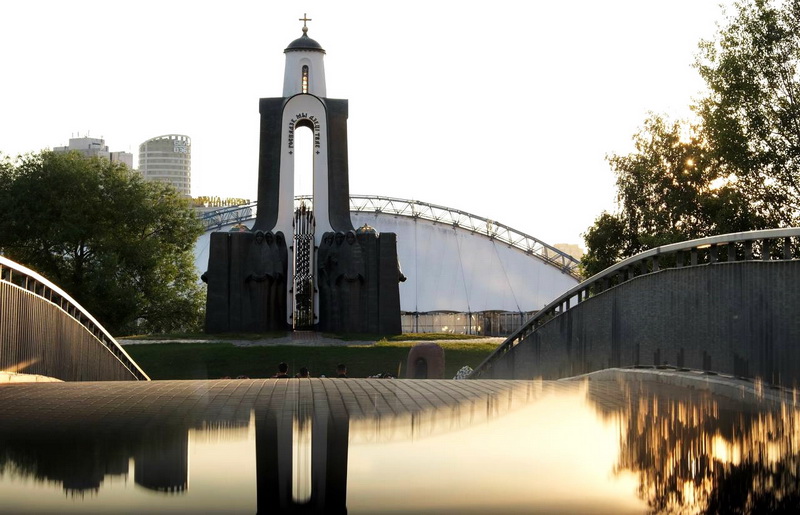
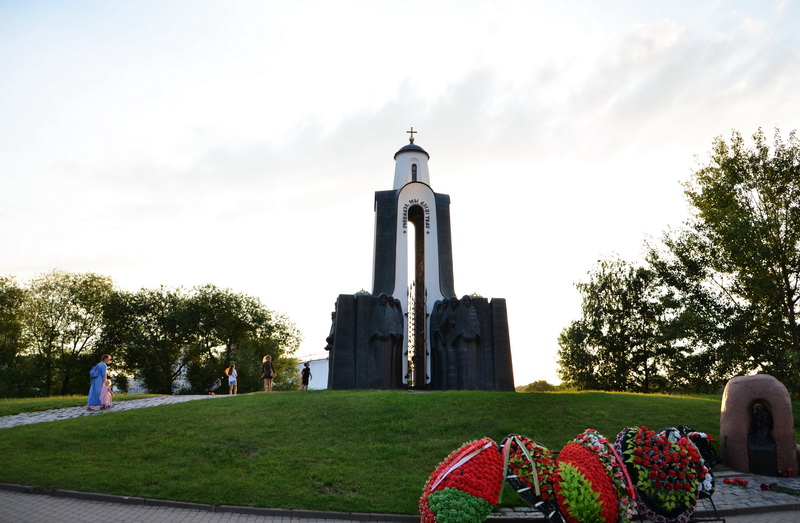
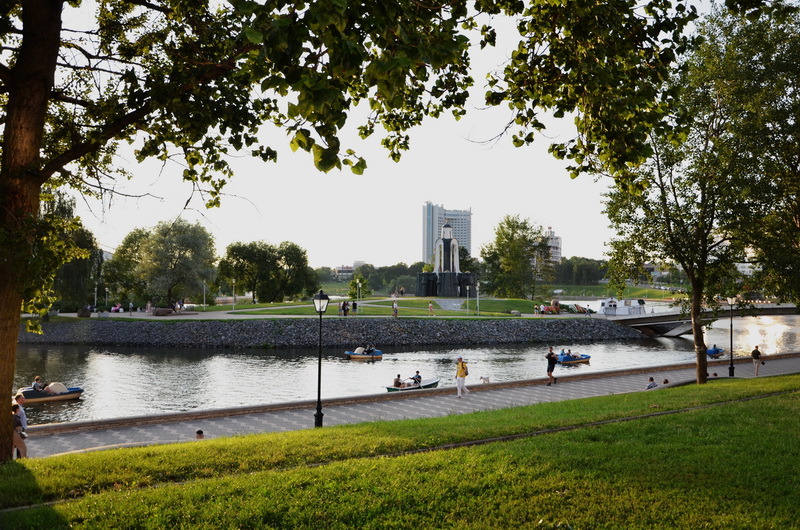
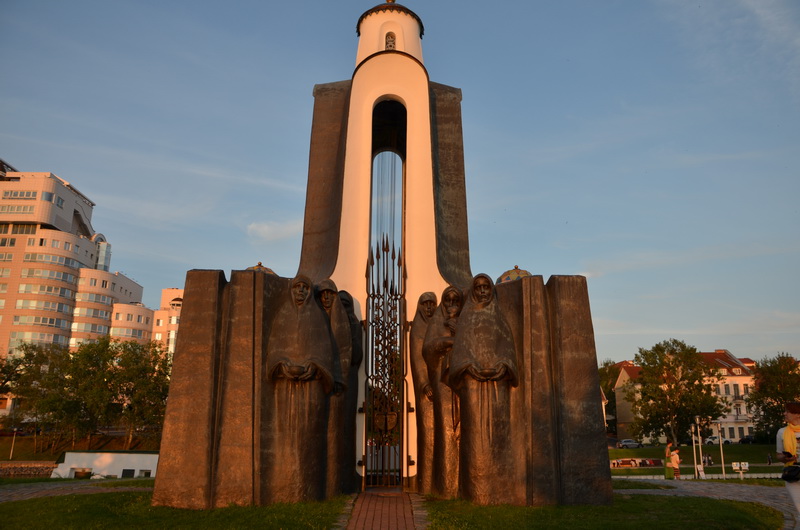
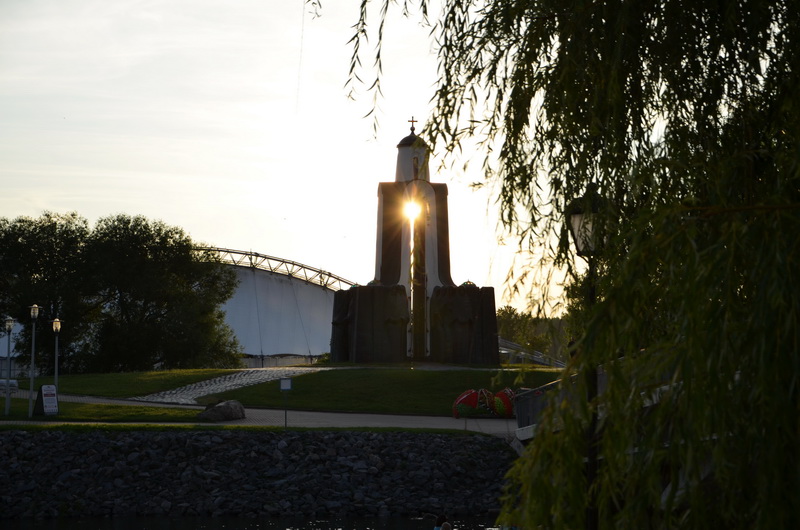
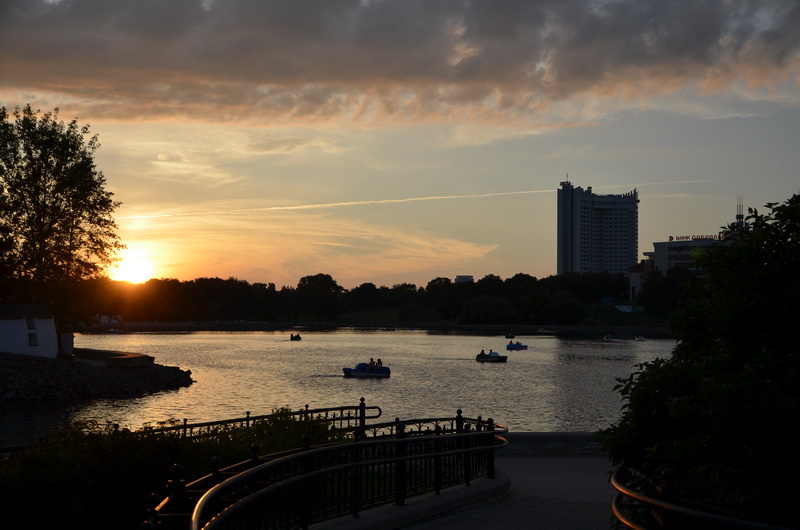
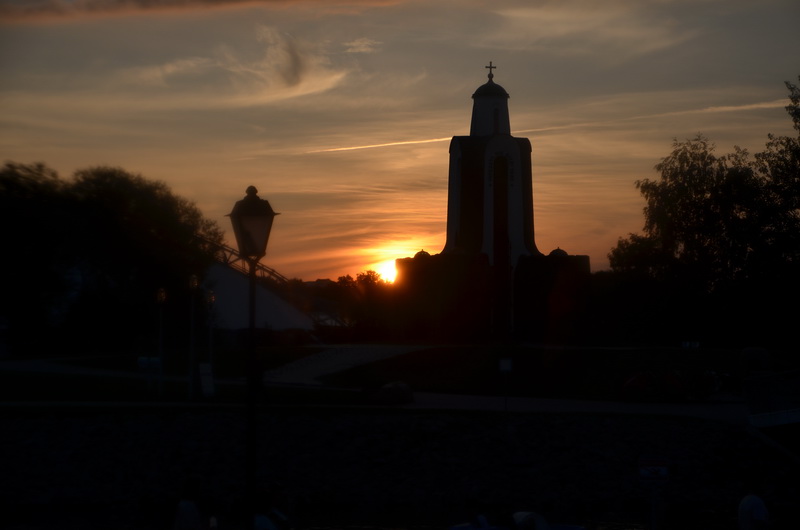
The complex is located on an artificial island in the Svislach River, right in the heart of Old Minsk, near the Trinity Suburb. Construction began in 1988 while the Afghan War was still ongoing. The official opening took place on August 3, 1996. The architectural design of the memorial's chapel was inspired by the original appearance of St. Euphrosyne’s Church of Polotsk from the 12th century. The memorial was designed by a team of architects and sculptors led by Yuri Pavlov, whose project won a design competition.
How to Reach the Island and What to See
Visitors can reach the memorial island via an arched footbridge. At the entrance, they are greeted by a bronze sculpture of the Virgin Mary embedded in granite. The stone bears an inscription in Belarusian: “To the sons who perished in Afghanistan, this temple was built…” followed by the words: “So that there is no evil on one’s own land or on foreign soil…” This symbolic gateway highlights the memorial’s main idea—honoring the fallen and advocating for peace.
The Chapel with the Names of the Fallen Soldiers
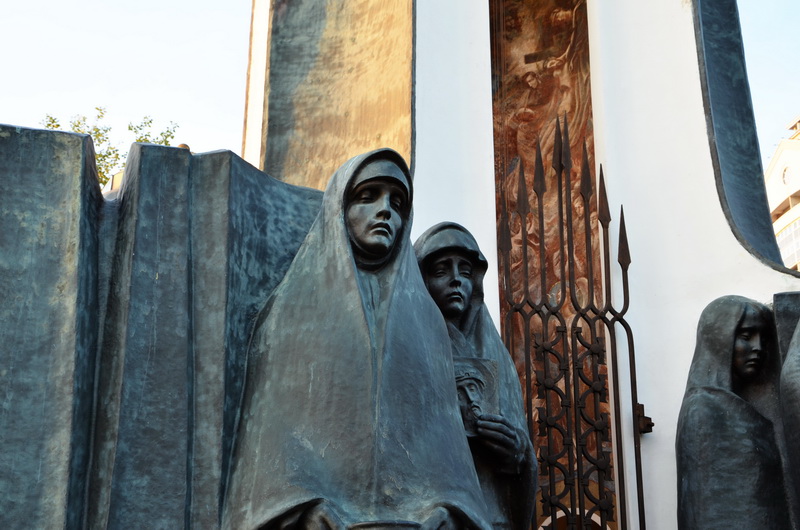
The memorial complex was designed as a tribute to all Belarusians who died in military conflicts abroad. A significant part of the site is a small chapel, whose walls bear the names of all Belarusians who perished in Afghanistan. Inside, 771 names are inscribed—both natives of Belarus and those buried on its land. The chapel has become a place of reverence for the relatives and friends of the fallen.
The Weeping Angel Sculpture and Traditions
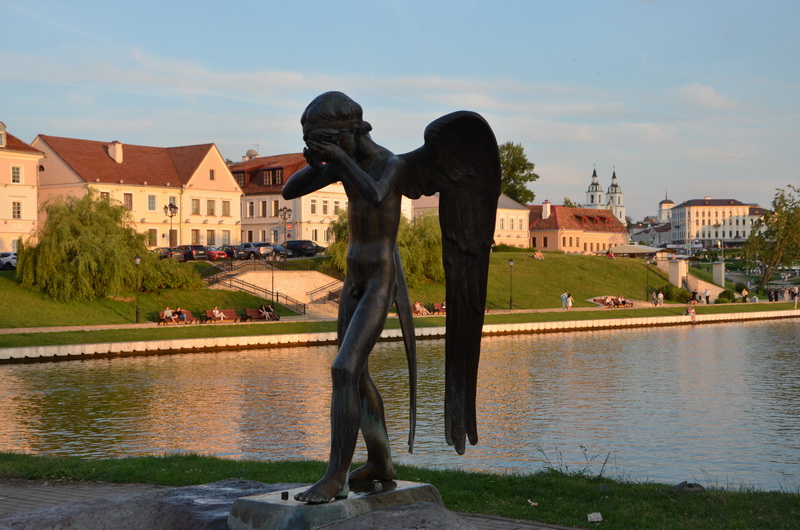
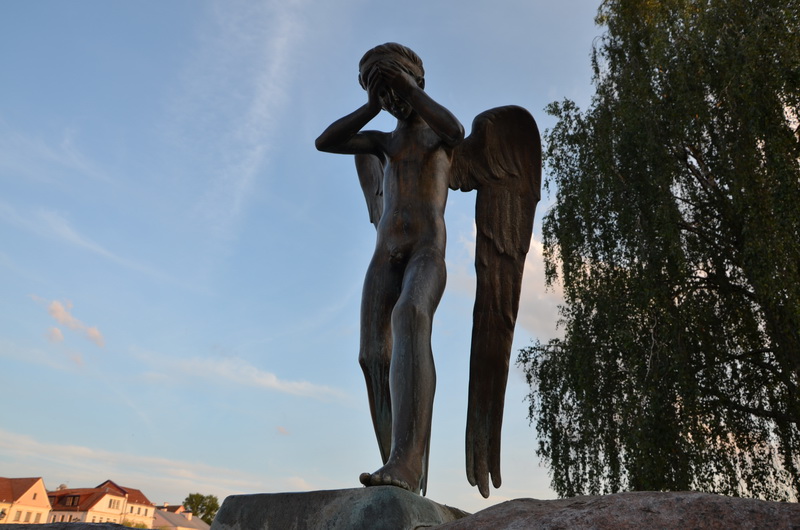
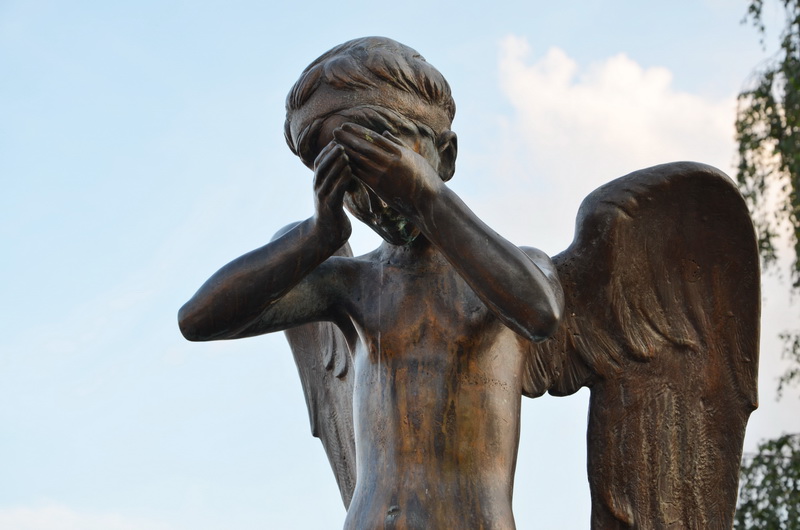
The island is also home to a small Weeping Angel sculpture, which symbolizes sorrow for the fallen soldiers. Additionally, there are large stones engraved with the names of Afghan provinces where Soviet troops fought. Newlyweds in Minsk follow the tradition of laying flowers at this sculpture, believing it will protect the husband from harm in battle. Brides, according to local beliefs, rub a specific part of the statue, hoping to give birth to a boy.